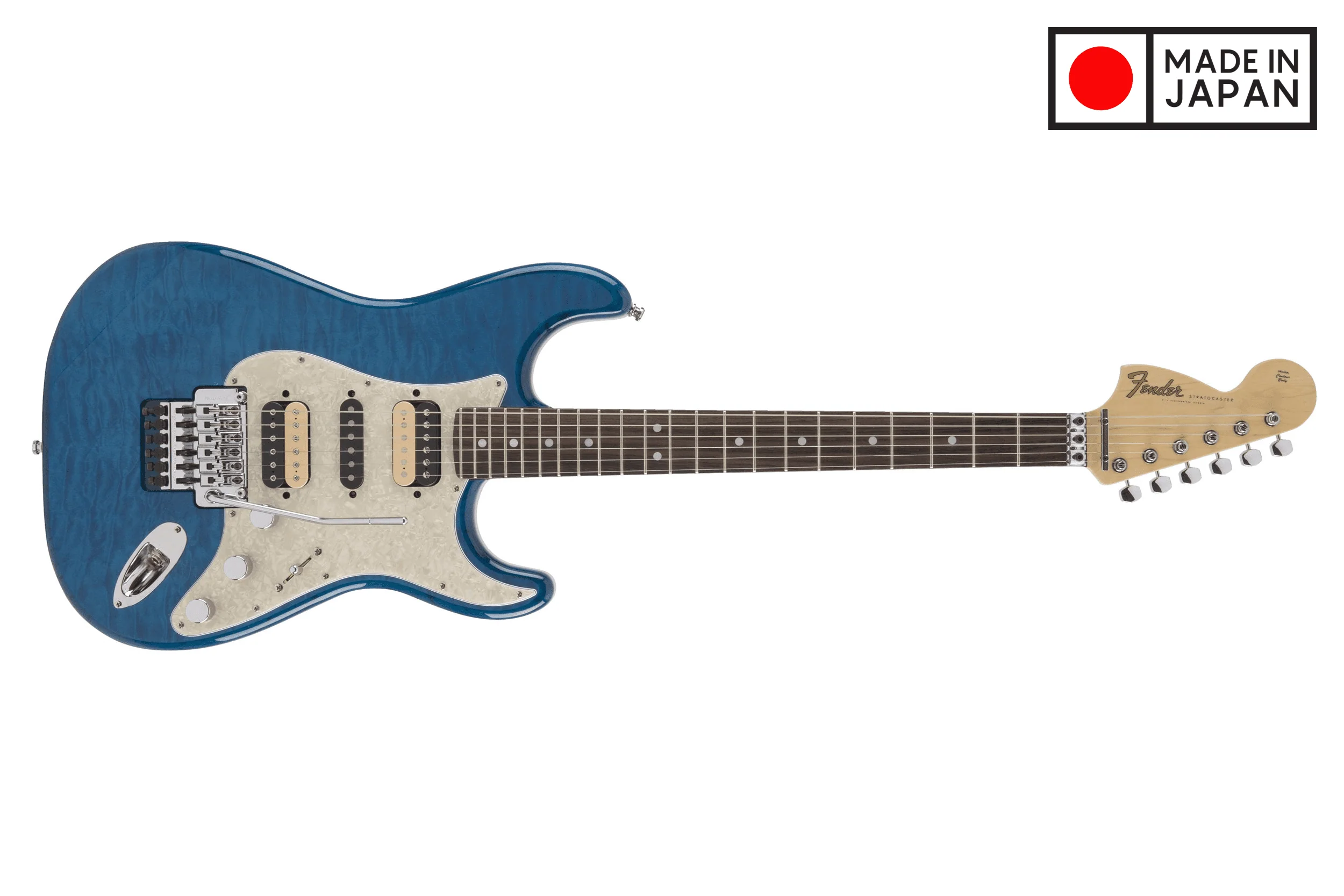
Fender Michiya Haruhata Stratocaster Trans Blue
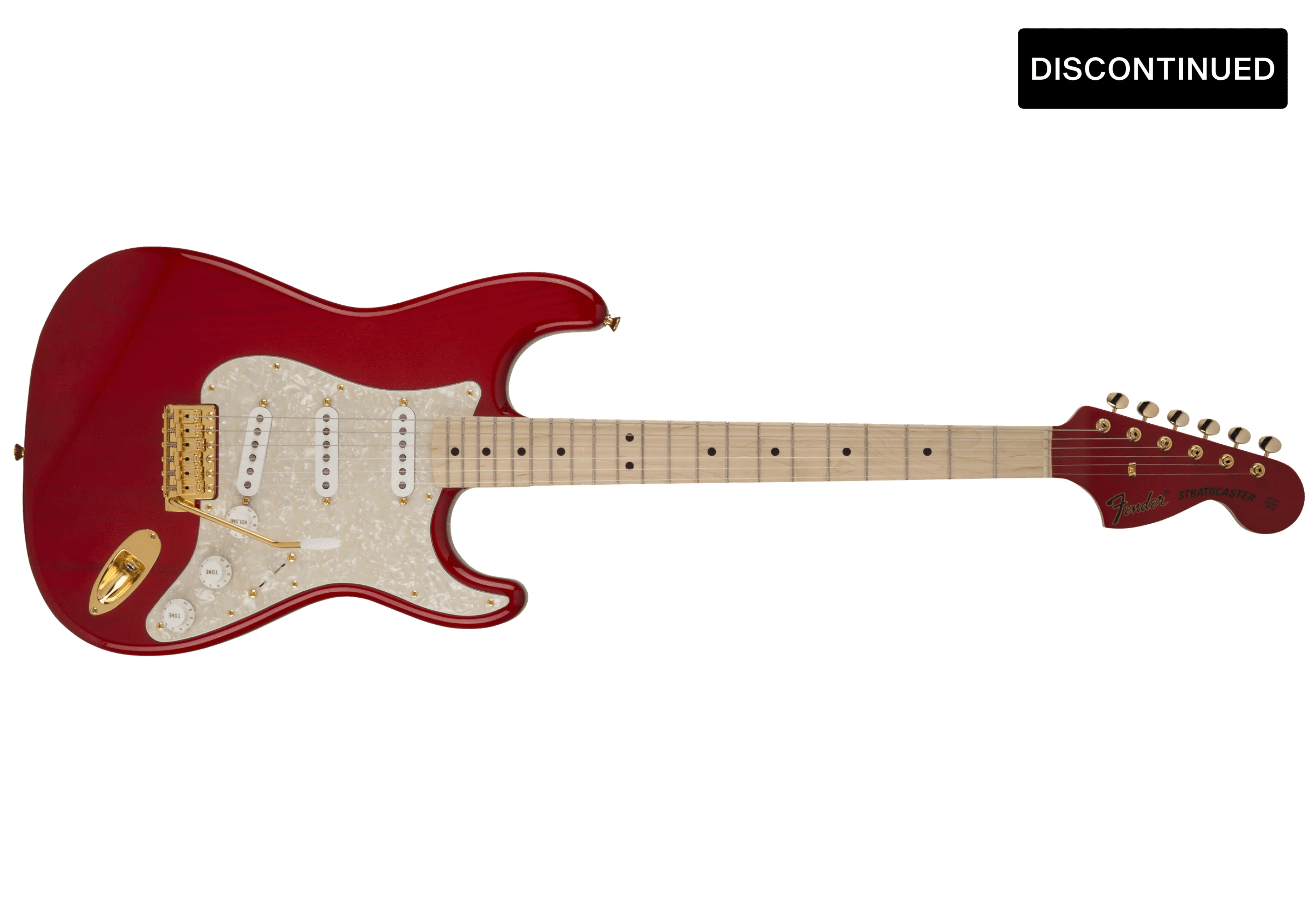
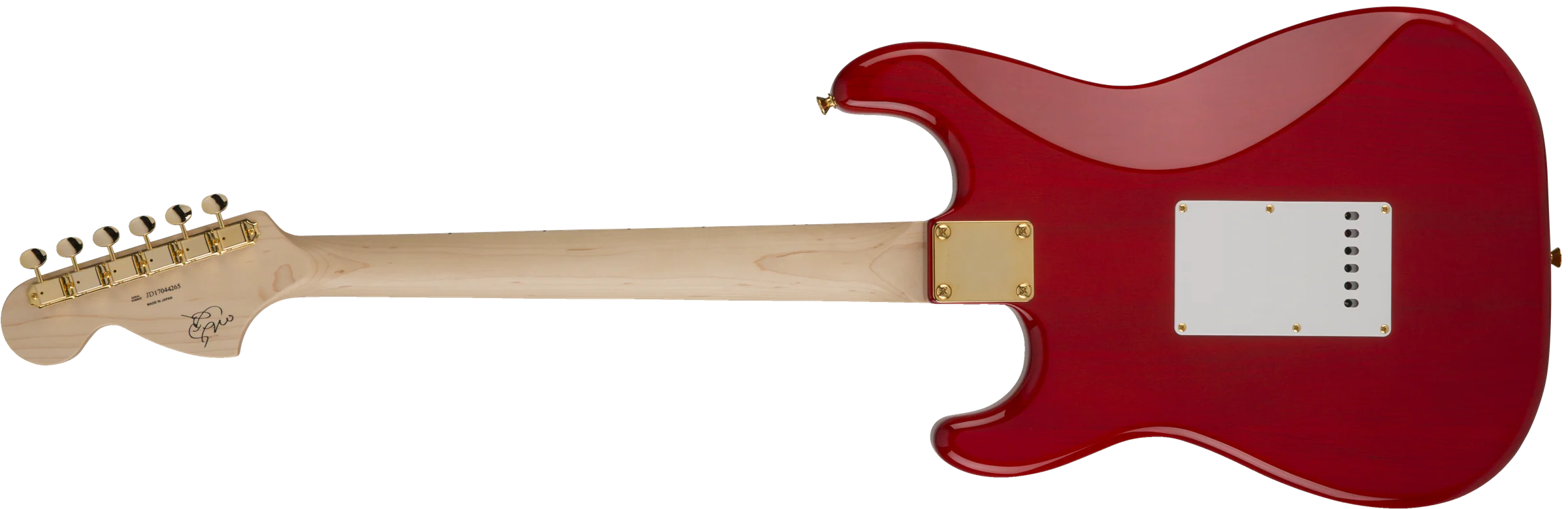
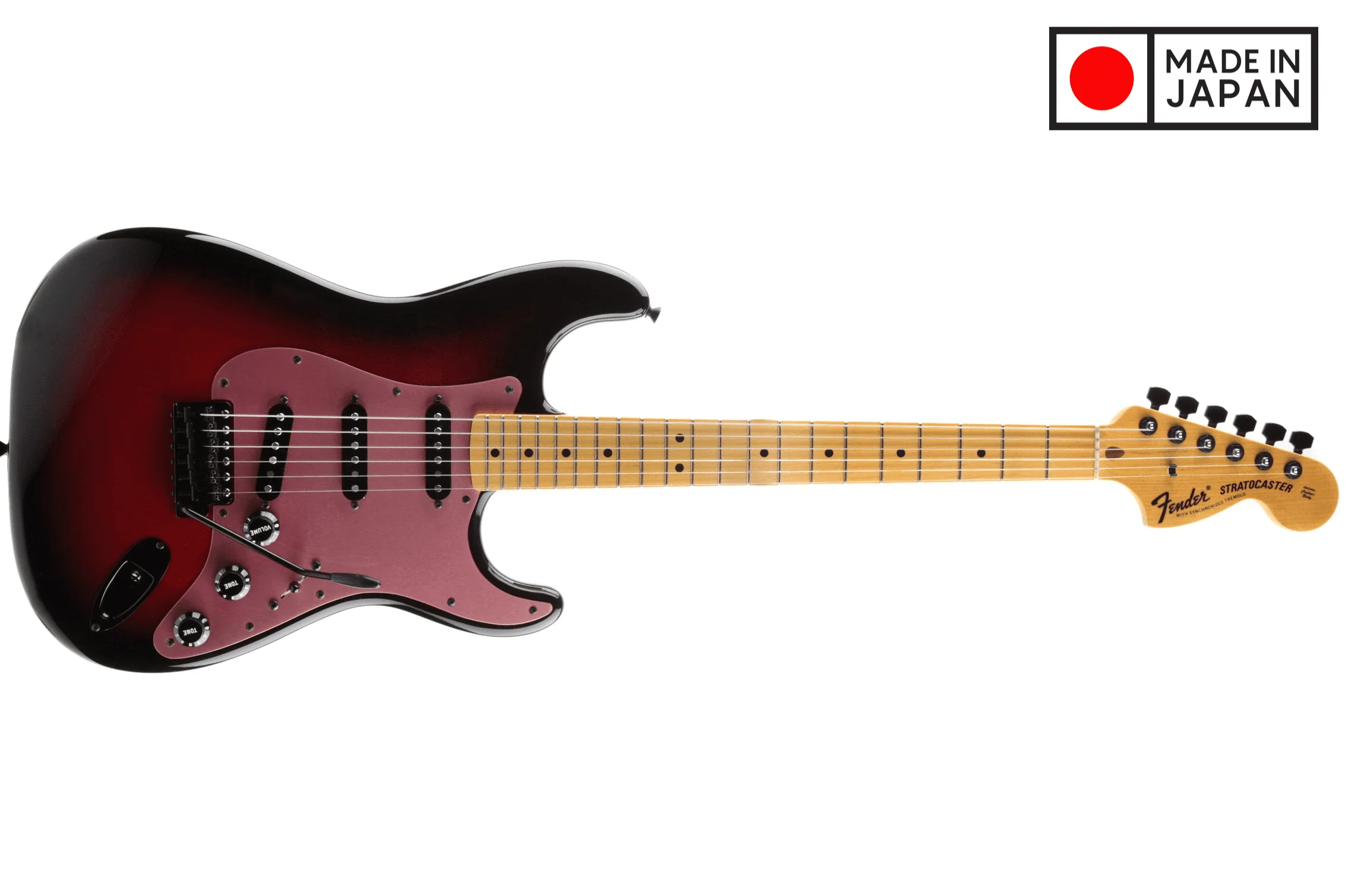
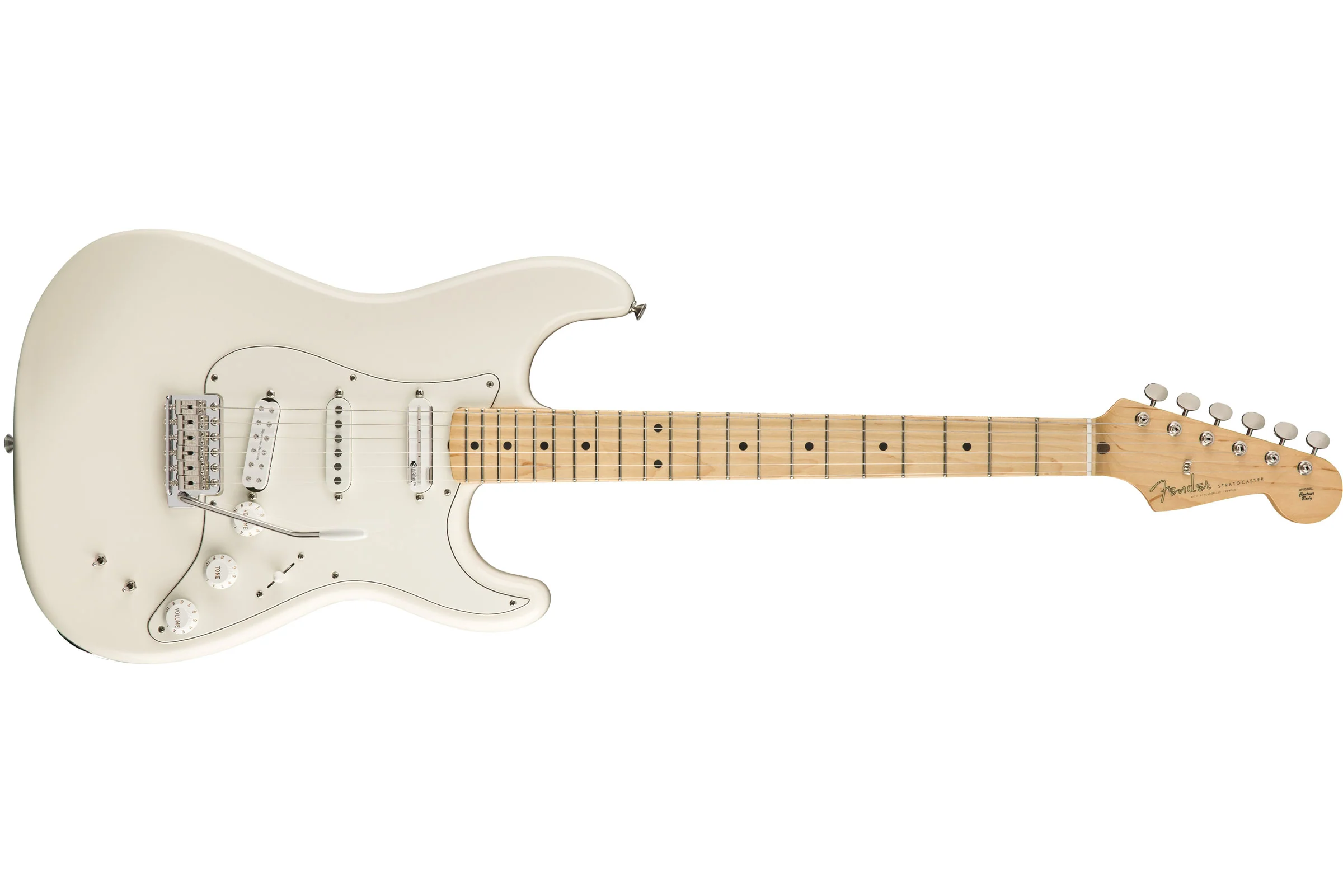
Michiya Haruhata (TUBE)'s signature model made in Japan will be on sale. The basis is the "Michiya Haruhata Stratocaster III" released by the custom shop in 2011. Packed with all kinds of ideas, this machine has a refreshing Caribbean blue finish on the quilt top, and has an iconic presence through various activities such as TUBE and solo work.
Haruhata, who had been hoping to develop a model in an affordable price range, was convinced by the quality of the Japanese-made fender that had been supervised by Chris Fleming for several years, and compromised while keeping the price down. A project to develop a model with no specifications has started.
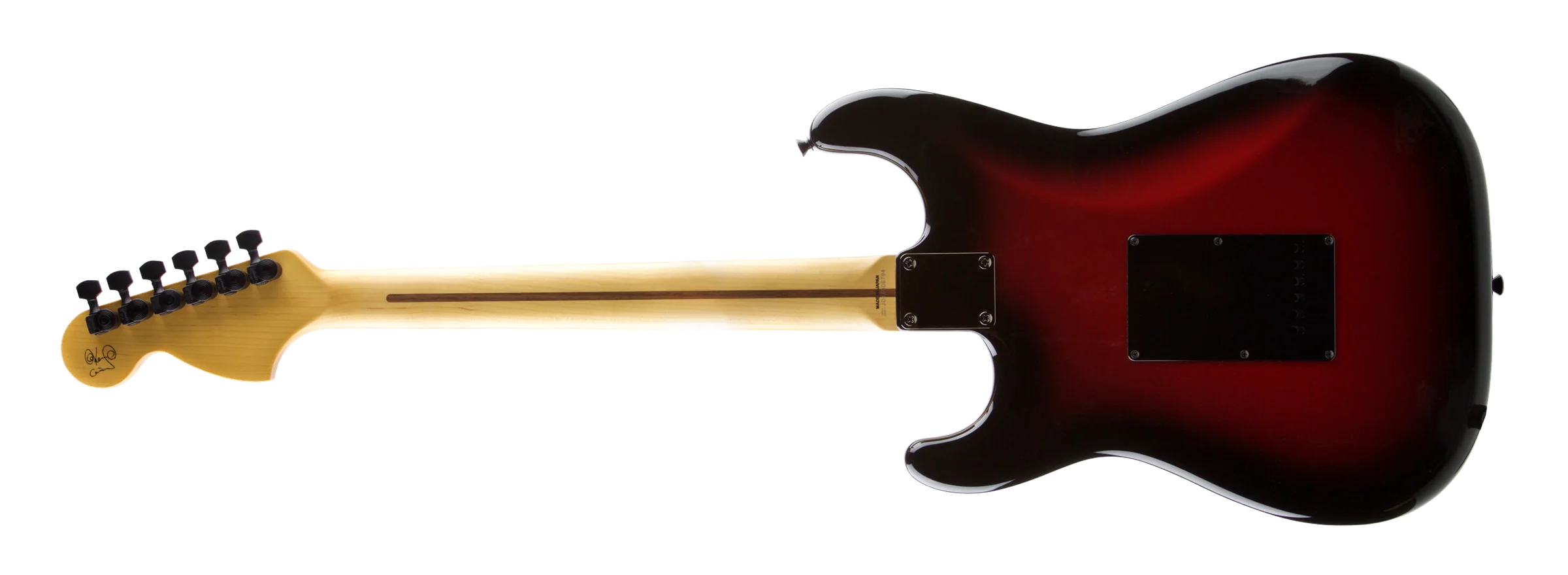
It is equipped with all the ideas packed in custom shops such as a large reverse head, a unique and functional control system, and a double locking tremolo system. The same pickup is used, and it is directly mounted on the body like the one made by the custom shop. Furthermore, the neck shape is Michiya Haruhata Soft V reproduced by 3D scanning from the actual machine.
The prototype was completed in early May 2018. Haruhata, which I checked at the stage rehearsal of TUBE's national live tour that had already started, instantly liked it and used it as it was. Even after that, continuing to play with the prototype proves that the model has met Haruhata's expectations.
Original: $1,945.50
-70%$1,945.50
$583.65More Images
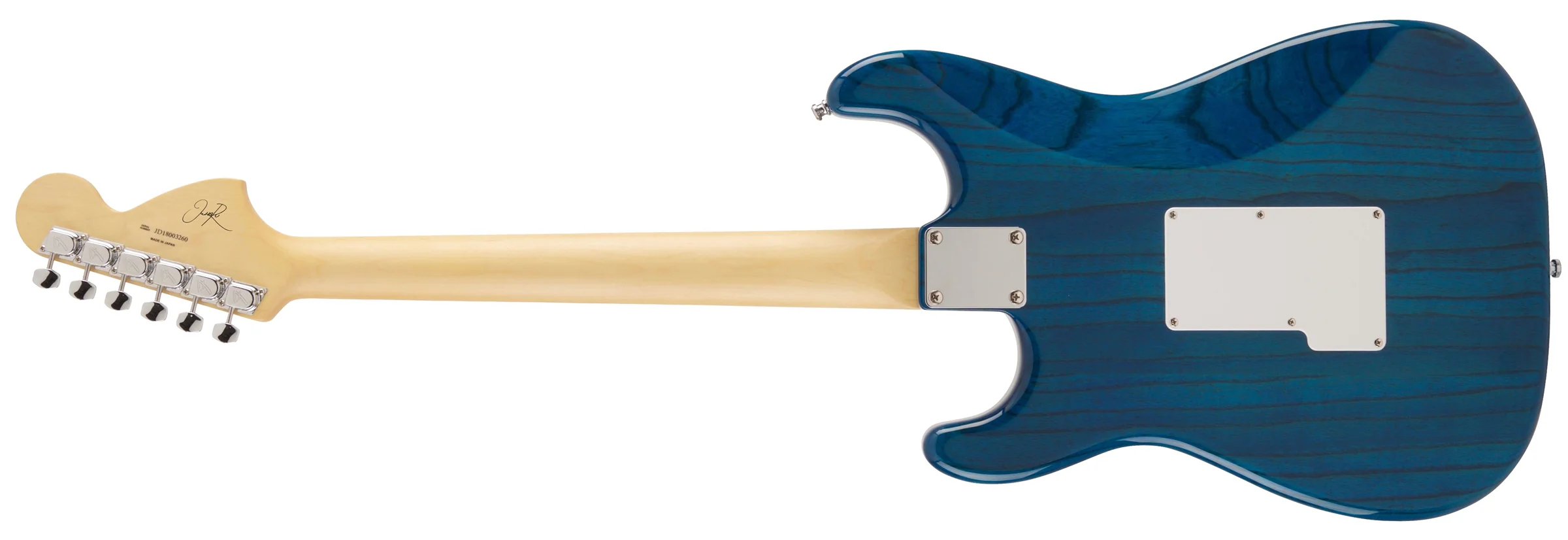

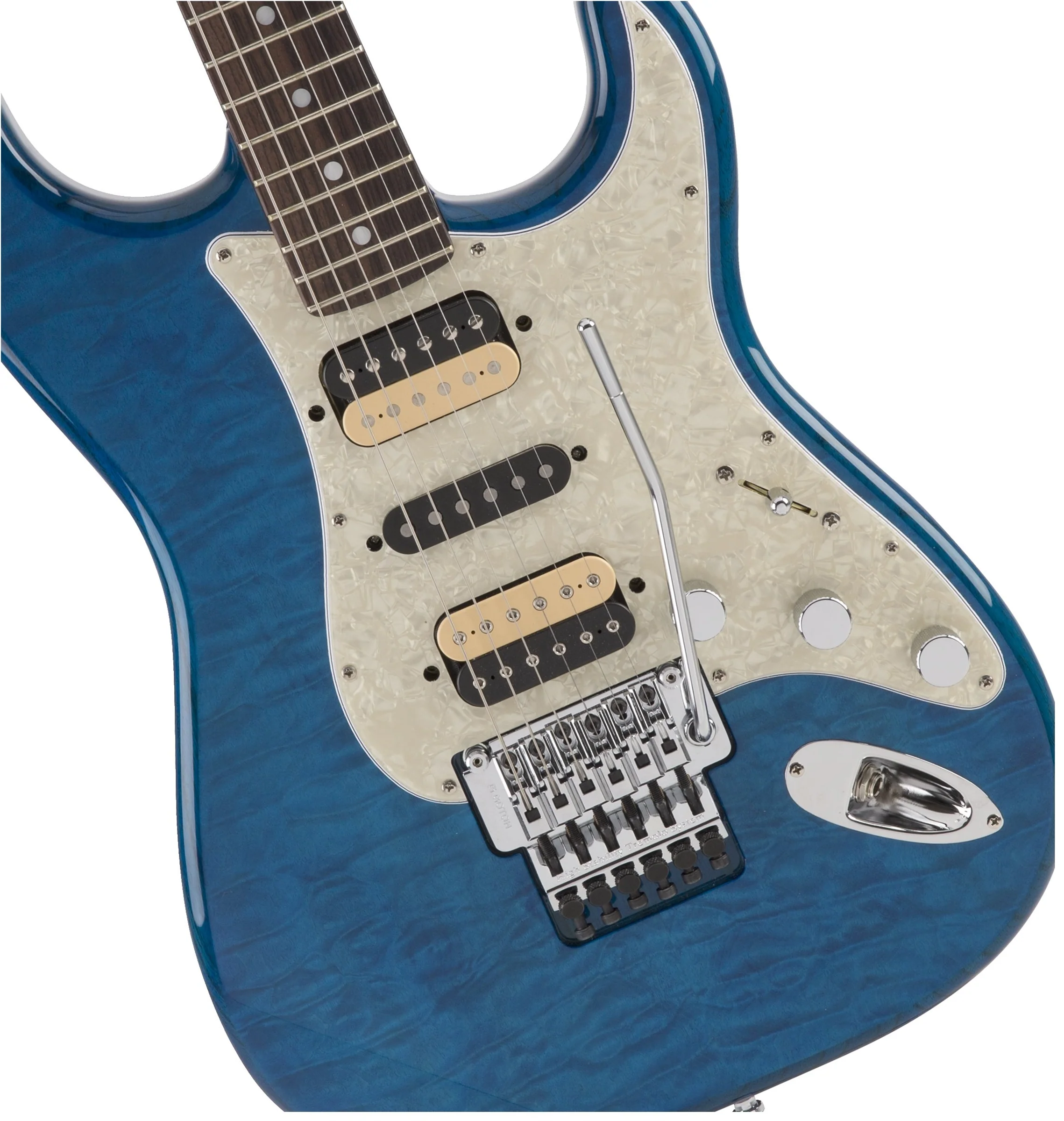
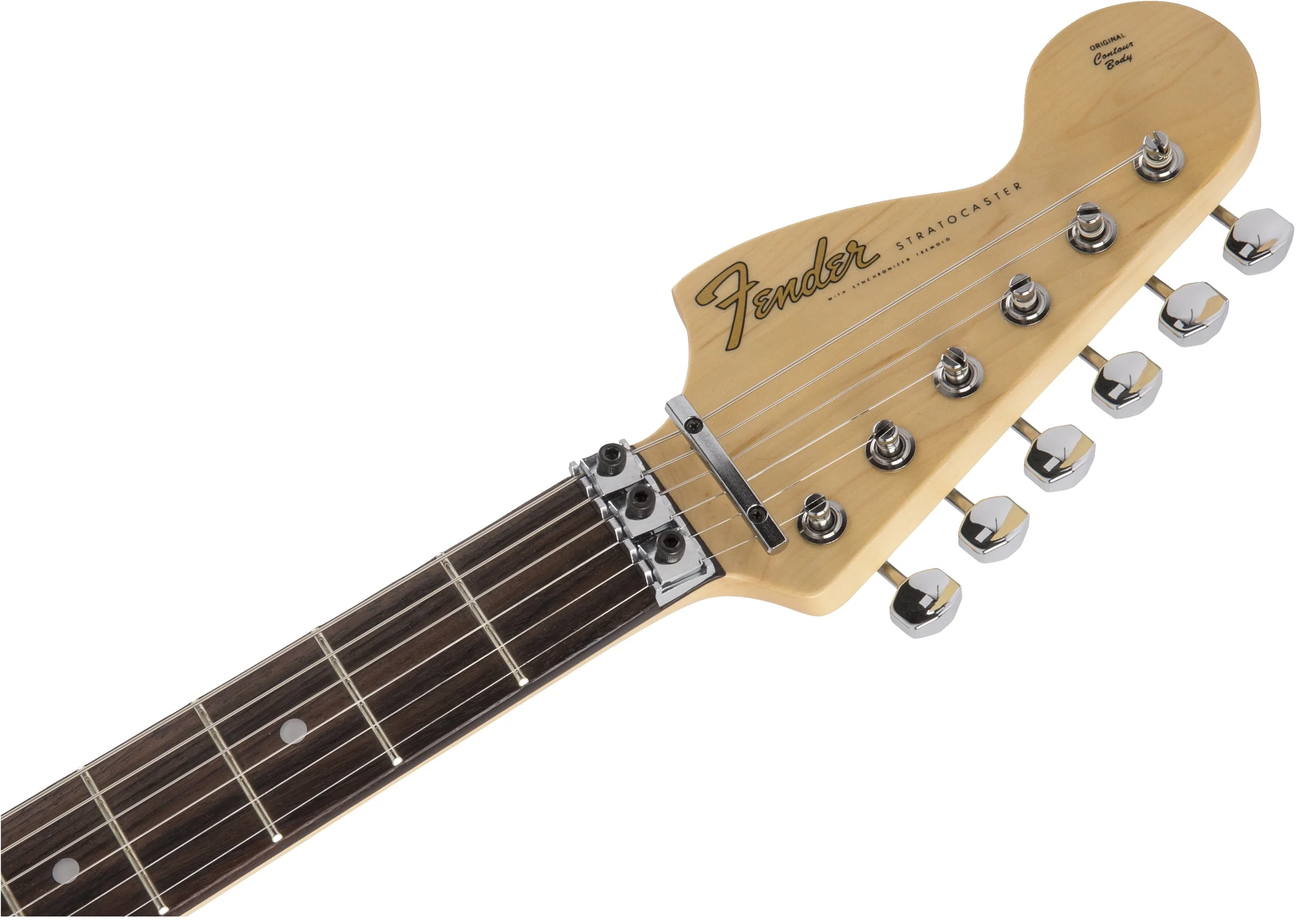
Fender Michiya Haruhata Stratocaster Trans Blue
Michiya Haruhata (TUBE)'s signature model made in Japan will be on sale. The basis is the "Michiya Haruhata Stratocaster III" released by the custom shop in 2011. Packed with all kinds of ideas, this machine has a refreshing Caribbean blue finish on the quilt top, and has an iconic presence through various activities such as TUBE and solo work.
Haruhata, who had been hoping to develop a model in an affordable price range, was convinced by the quality of the Japanese-made fender that had been supervised by Chris Fleming for several years, and compromised while keeping the price down. A project to develop a model with no specifications has started.
It is equipped with all the ideas packed in custom shops such as a large reverse head, a unique and functional control system, and a double locking tremolo system. The same pickup is used, and it is directly mounted on the body like the one made by the custom shop. Furthermore, the neck shape is Michiya Haruhata Soft V reproduced by 3D scanning from the actual machine.
The prototype was completed in early May 2018. Haruhata, which I checked at the stage rehearsal of TUBE's national live tour that had already started, instantly liked it and used it as it was. Even after that, continuing to play with the prototype proves that the model has met Haruhata's expectations.
Product Information
Product Information
Shipping & Returns
Shipping & Returns
Description
Michiya Haruhata (TUBE)'s signature model made in Japan will be on sale. The basis is the "Michiya Haruhata Stratocaster III" released by the custom shop in 2011. Packed with all kinds of ideas, this machine has a refreshing Caribbean blue finish on the quilt top, and has an iconic presence through various activities such as TUBE and solo work.
Haruhata, who had been hoping to develop a model in an affordable price range, was convinced by the quality of the Japanese-made fender that had been supervised by Chris Fleming for several years, and compromised while keeping the price down. A project to develop a model with no specifications has started.
It is equipped with all the ideas packed in custom shops such as a large reverse head, a unique and functional control system, and a double locking tremolo system. The same pickup is used, and it is directly mounted on the body like the one made by the custom shop. Furthermore, the neck shape is Michiya Haruhata Soft V reproduced by 3D scanning from the actual machine.
The prototype was completed in early May 2018. Haruhata, which I checked at the stage rehearsal of TUBE's national live tour that had already started, instantly liked it and used it as it was. Even after that, continuing to play with the prototype proves that the model has met Haruhata's expectations.